Kiri Te Kanawa
Actor
Biography
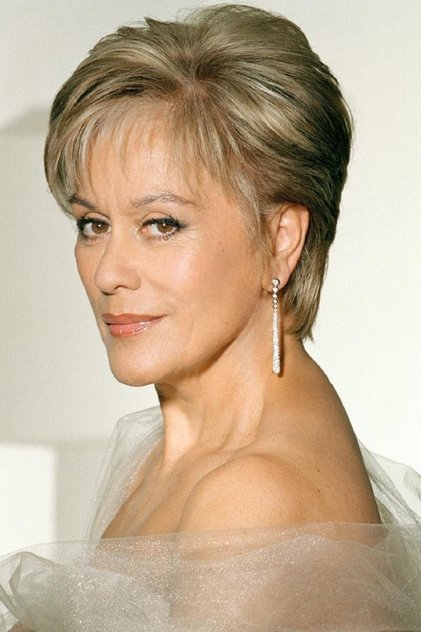
Dame Kiri Jeanette Claire Te Kanawa ONZ, CH, DBE, AC (/ˈkɪri təˈkɑːnəwə/; born Claire Mary Teresa Rawstron, 6 March 1944) is a retired New Zealand opera singer. She had a full lyric soprano voice, which has been described as "mellow yet vibrant, warm, ample and unforced". Te Kanawa had three top 40 albums in Australia in the mid-1980s.
Te Kanawa has received accolades in many countries, singing a wide array of works in many languages dating from the 17th to the 20th centuries. She is particularly associated with the works of Mozart, Strauss, Verdi, Handel and Puccini, and found considerable success in portraying princesses, nobility, and other similar characters on stage.
Though she rarely sang opera later in her career, Te Kanawa frequently performed in concert and recital, gave masterclasses, and supported young opera singers in launching their careers. Her final performance was in Ballarat, Australia, in October 2016, but she did not reveal her retirement until September 2017.
Te Kanawa was born Claire Mary Teresa Rawstron in Gisborne, New Zealand, to Māori butcher Tieki "Jack" Wawatai and to Mary Noeleen Rawstron, who was the daughter of Irish emigrants. Wawatai was already married to Apo, the daughter of the Rev. Poihipi Kohere. Poihipi Kohere was the brother of both the community leader Rēweti Kōhere and the soldier and farmer Henare Mokena Kohere. Mary Noeleen Rawstron's mother insisted the baby be given up for adoption. Te Kanawa was adopted as an infant by Thomas Te Kanawa, the owner of a successful trucking business, and his wife Nell.
She was educated at St Mary's College, Auckland, and formally trained in operatic singing by Sister Mary Leo Niccol. Te Kanawa began her singing career as a mezzo-soprano but developed into a soprano. Her recording of the "Nuns' Chorus" from the Strauss operetta Casanova was the first gold record produced in New Zealand.
Te Kanawa met Desmond Park on a blind date in London in August 1967, and they married six weeks later at St Patrick's Cathedral, Auckland. They adopted two children, Antonia (born 1976) and Thomas (born 1979). The couple divorced in 1997. Te Kanawa never made an attempt to contact her biological parents, but her half-brother Jim Rawstron contacted her. Initially, she was unwilling to meet him, but agreed to do so in 1997. The episode ended bitterly, when a newspaper ran a story on their meeting; despite Rawstron denying contact with the newspaper, she has since reaffirmed her decision to have nothing to do with her birth family.
In her teens and early 20s, Te Kanawa was a pop star and entertainer at clubs in New Zealand,[failed verification] and regularly appeared in newspapers and magazines. In 1963, she was runner-up to Malvina Major in the Mobil Song Quest with her performance of "Vissi d'arte" from Tosca, and in 1965 she won the same competition. As winner, she received a grant to study in London.
She appeared and sang in the 1966 musical comedy film Don't Let It Get You. In 1966, she won the Melbourne Sun-Aria contest, which Major had also won the previous year. Both singers had been taught by Sister Mary Leo. ...
Source: Article "Kiri Te Kanawa" from Wikipedia in English, licensed under CC-BY-SA 3.0.
Filmography
The Making Of West Side Story
as Maria 1985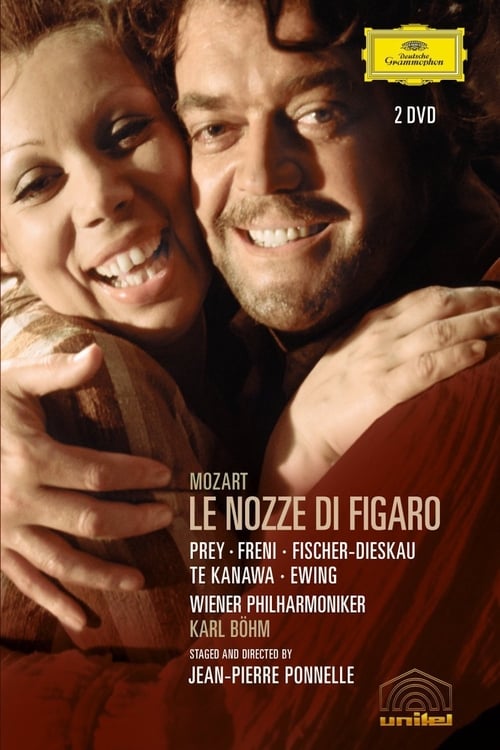
The Marriage of Figaro
as La Contessa di Almaviva 1975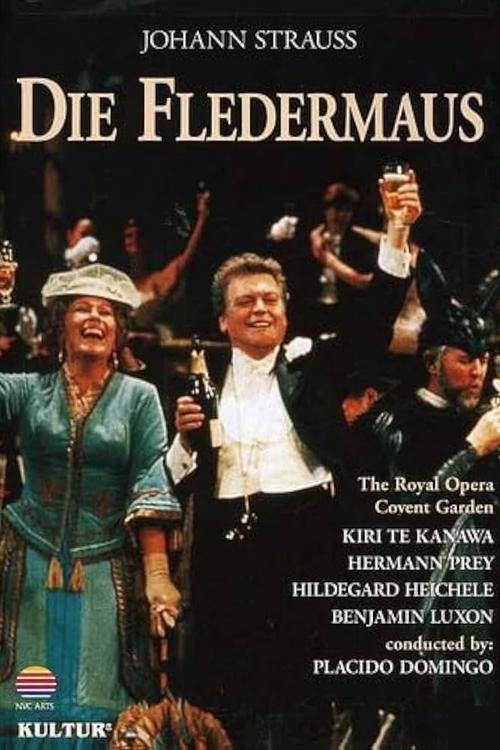
Die Fledermaus
as Rosalinda 1984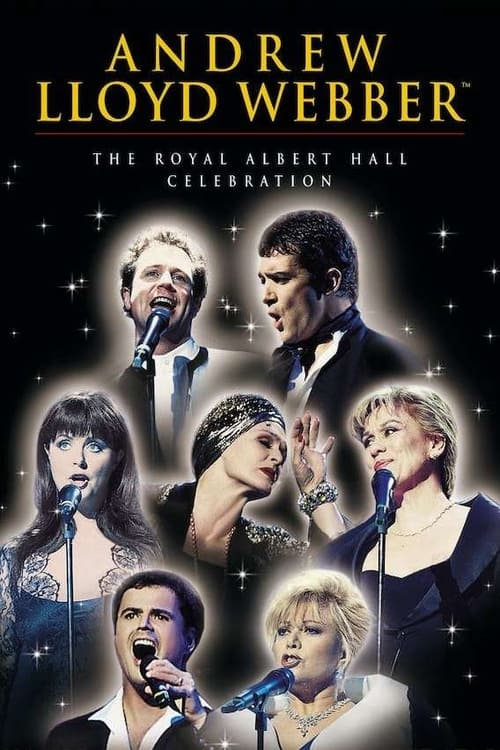
Andrew Lloyd Webber: The Royal Albert Hall Celebration
as Self - Performer 1998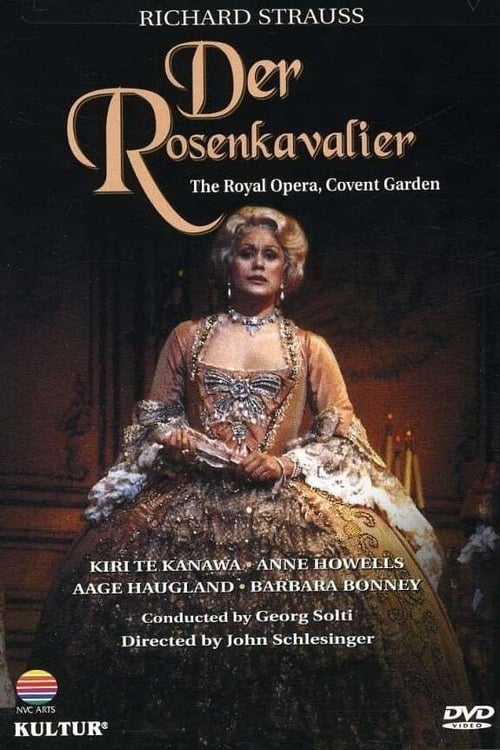
Der Rosenkavalier
as Die Feldmarschallin Fürstin Werdenberg 1985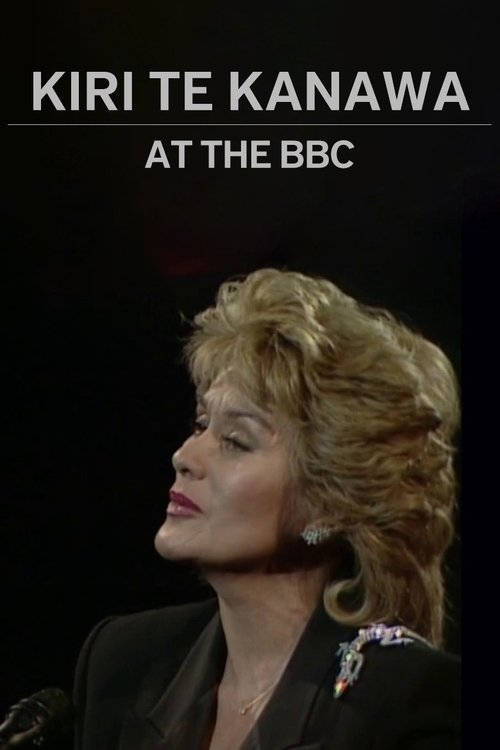
Kiri Te Kanawa at the BBC
as Self 2017
Manon Lescaut
as Manon Lescaut 1983
The Marriage of Figaro
as Countess Almaviva 1974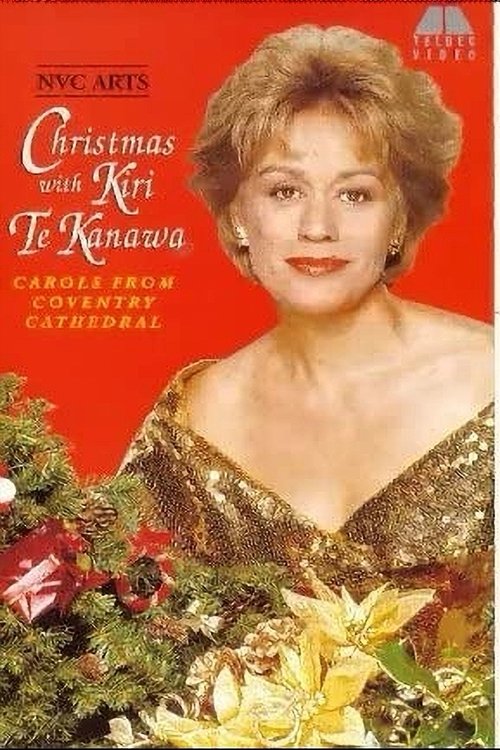
Christmas with Kiri Te Kanawa: Carols from Coventry Cathedral
as Self 2006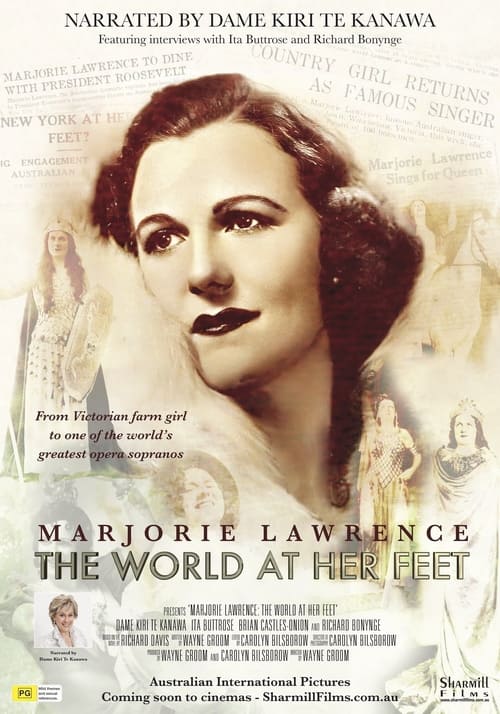
Marjorie Lawrence: The World at Her Feet
as Narrator 2021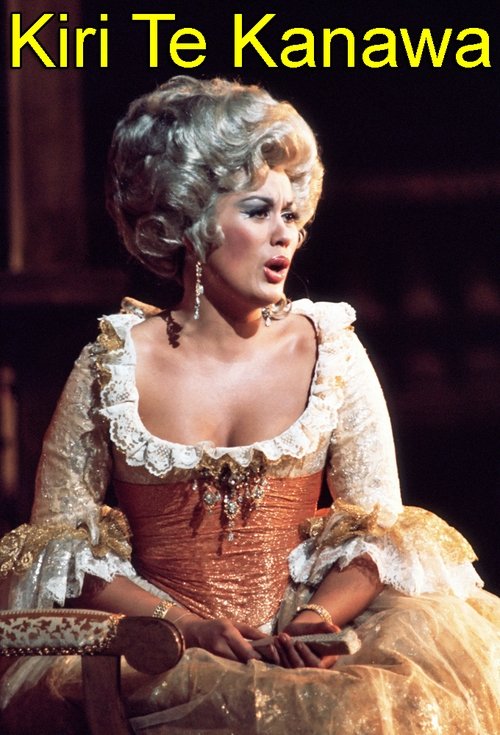
Kiri Te Kanawa
as Self 1975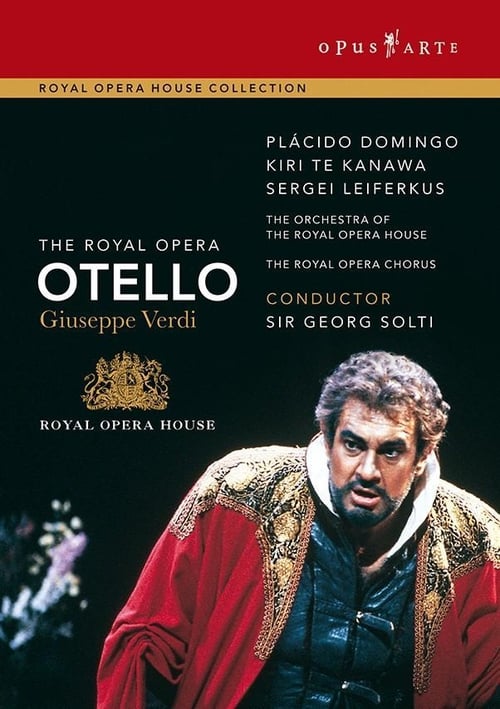
Otello
as Desdemona 1992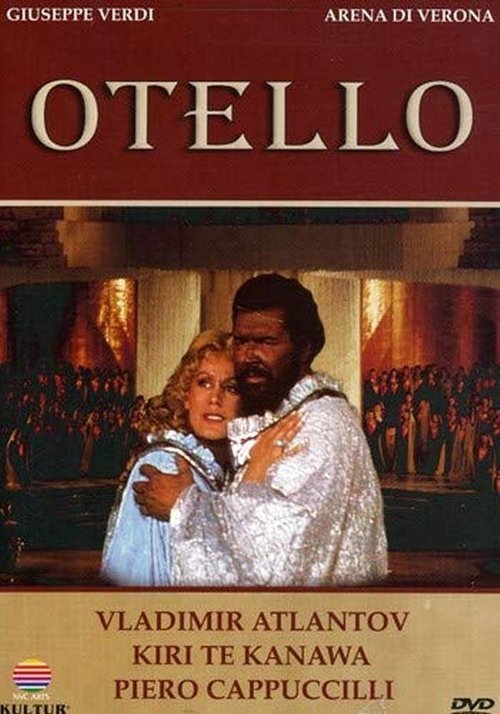
Otello
as Desdemona 1982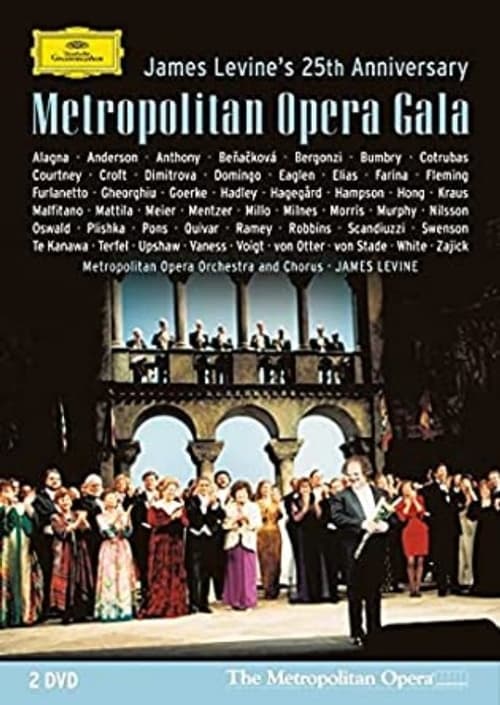
Metropolitan Opera Gala James Levine's 25th Anniversary
as Self 1996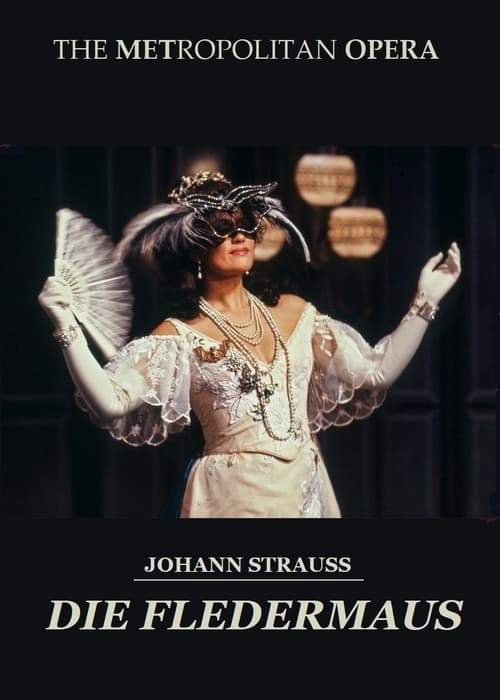
Die Fledermaus
as Rosalinde 1986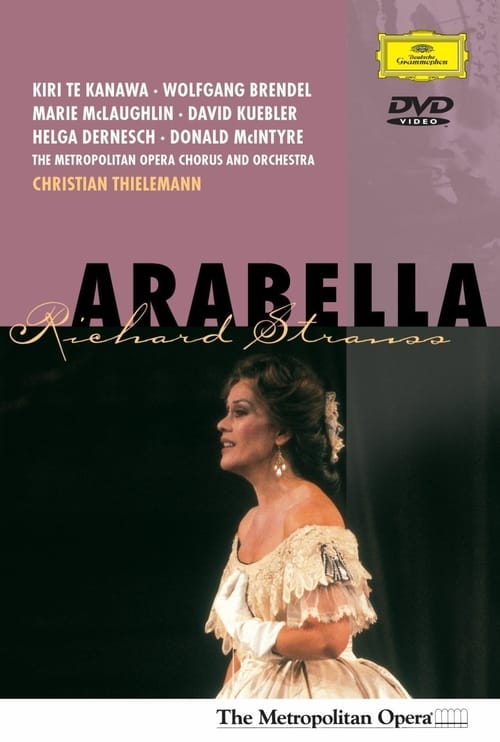
Arabella
as Arabella 1994