Felix Bressart
Actor
Biography
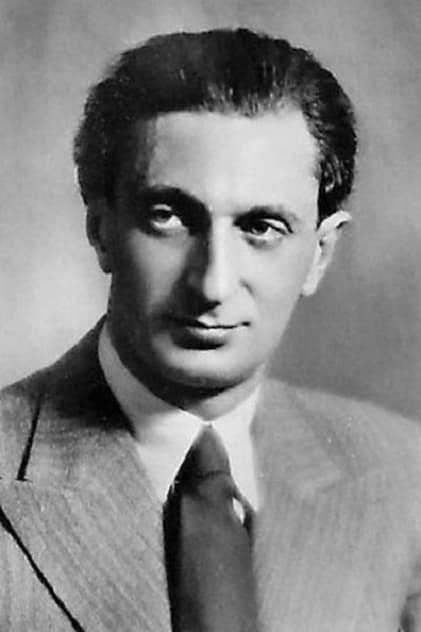
From Wikipedia, the free encyclopedia. Felix Bressart (March 2, 1892 – March 17, 1949) was a German-American actor of stage and screen.
Felix Bressart (pronounced "BRESS-ert") was born in East Prussia, Germany (now part of Russia) and was already a very experienced stage actor when he had his film debut in 1928. He started off as a supporting actor, e.g. as the Bailiff in the box-office hit Die Drei von der Tankstelle (1930), but had soon established himself in leading roles of minor movies. After the Nazis seized power in 1933, Jewish-born Bressart had to leave Germany and continued his career in German-speaking movies in Austria, where Jewish artists were still relatively safe. After no fewer than 30 films in eight years, he emigrated to the United States.
One of Bressart's former European colleagues was Joe Pasternak, now a successful Hollywood producer. Bressart's first American film was Three Smart Girls Grow Up (1939), a vehicle for Universal Pictures' top attraction, Deanna Durbin. Pasternak also selected the reliable Bressart to perform in a screen test opposite Pasternak's newest discovery, Gloria Jean. The influential German community in Hollywood helped to establish Bressart in America, as his earliest American movies were directed by Ernst Lubitsch, Henry Koster, and Wilhelm Thiele (director of Die Drei von der Tankstelle).
Bressart scored a great success in Lubitsch's Ninotchka, produced at Metro-Goldwyn-Mayer. MGM signed Bressart to a studio contract in 1939. Most of his MGM work consisted of featured roles in major films like Edison, the Man.
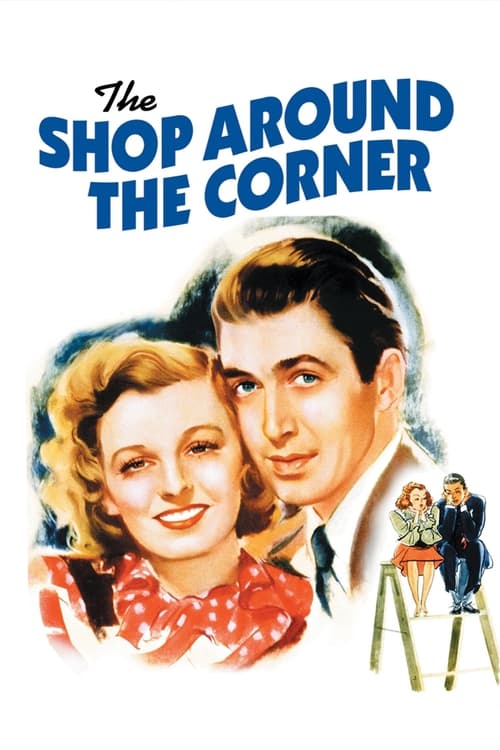
He combined his mildly inflected East European accent with a soft-spoken delivery to create kindly, friendly characters, as in Lubitsch's To Be or Not to Be, in which he sensitively recites Shylock's famous "Hath not a Jew eyes?" speech from The Merchant of Venice. Lubitsch also directed Bressart to similar effect in The Shop Around the Corner.
Bressart soon became a popular character actor in films like Blossoms in the Dust (1941), The Seventh Cross (1944), and Without Love (1945). Perhaps his largest role was in RKO Radio Pictures' "B" musical comedy Ding Dong Williams, filmed in 1945. Bressart, billed third, played the bemused supervisor of a movie studio's music department, and appeared in formal wear to conduct Chopin's "Fantasie Impromptu."
After almost 40 Hollywood pictures, Felix Bressart suddenly died of leukemia at the age of 57. His last film was My Friend Irma (1949), the movie version of a popular radio show. Bressart died during production, forcing the producers to finish the film with Hans Conried. In the final film, Conried speaks throughout, but Bressart is still seen in the long shots.
Description above from the Wikipedia article Felix Bressart, licensed under CC-BY-SA,full list of contributors on Wikipedia.
Filmography
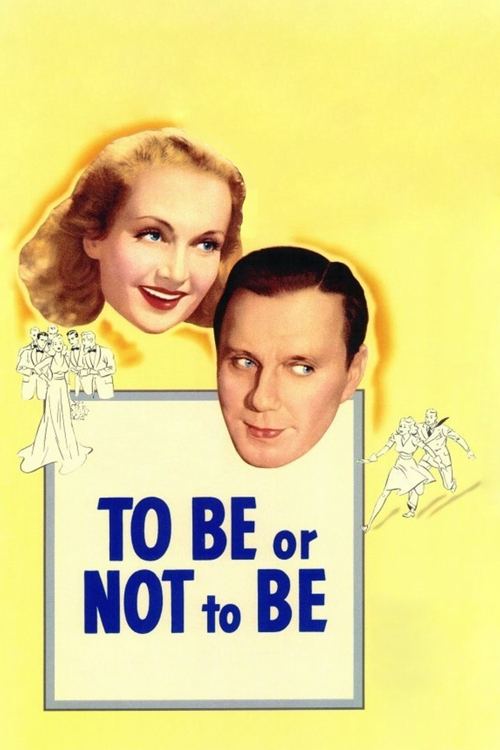
To Be or Not to Be
as Greenberg 1942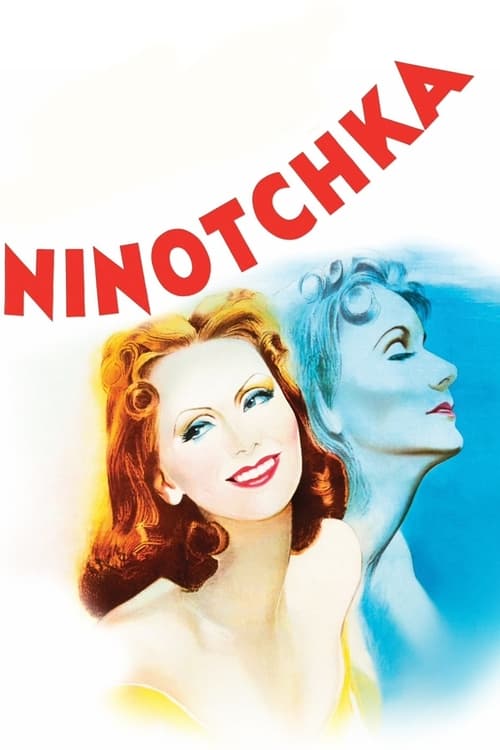
Ninotchka
as Comrade Buljanoff 1939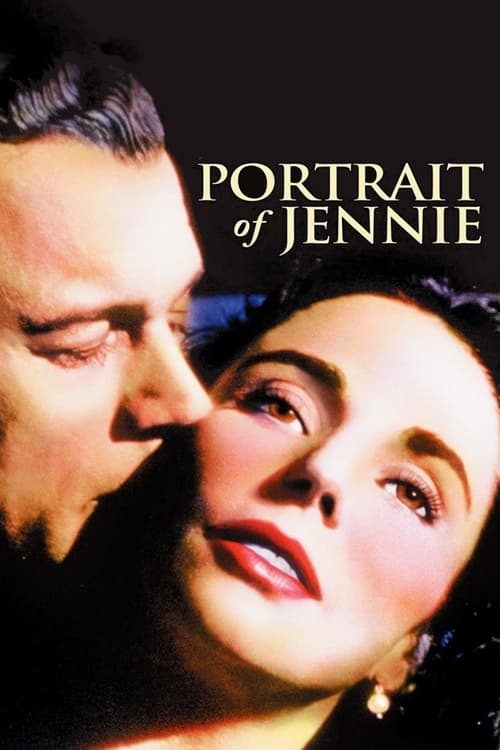
Portrait of Jennie
as Pete 1948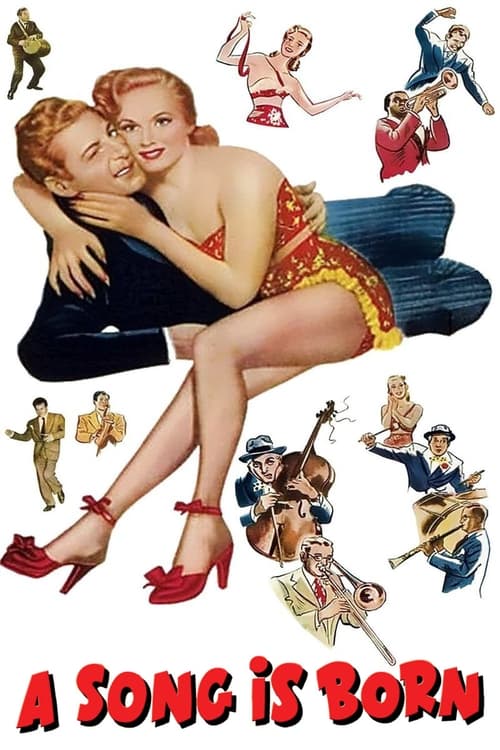
A Song Is Born
as Professor Gerkikoff 1948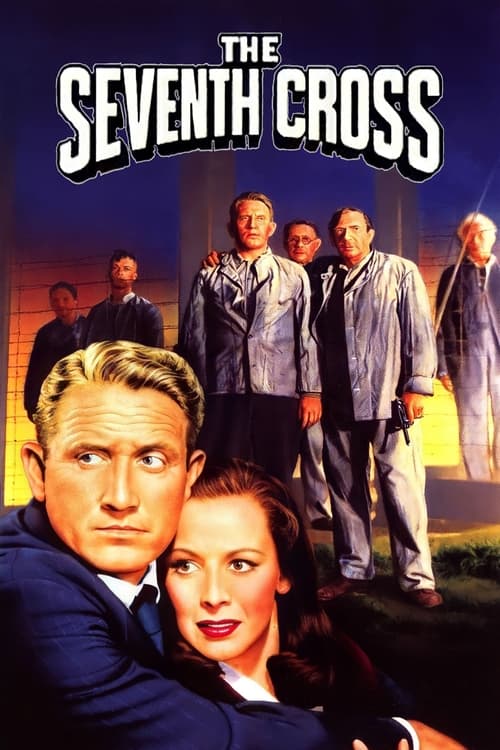
The Seventh Cross
as Poldi Schlamm 1944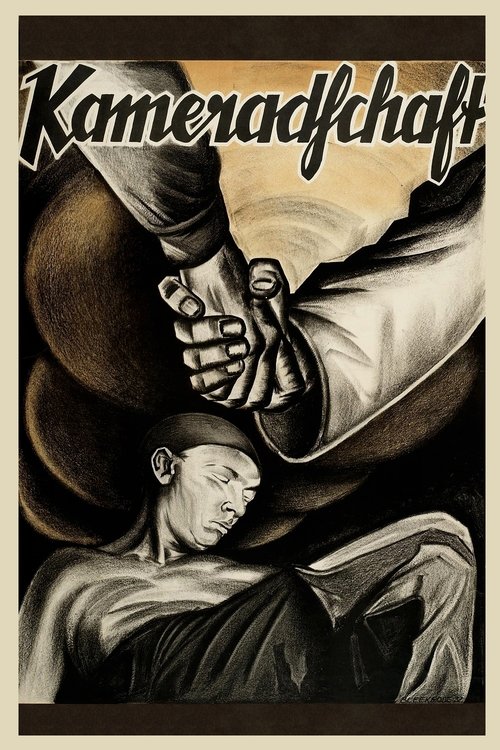
Comradeship
1931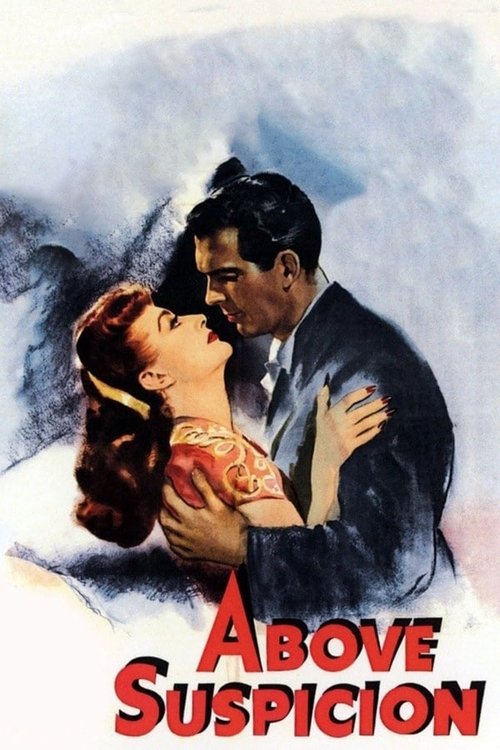
Above Suspicion
as Mr. A. Werner 1943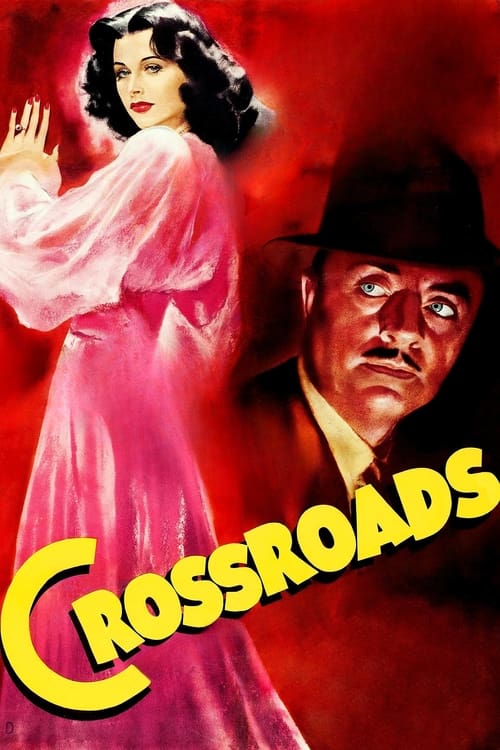
Crossroads
as Dr. Andre Tessier 1942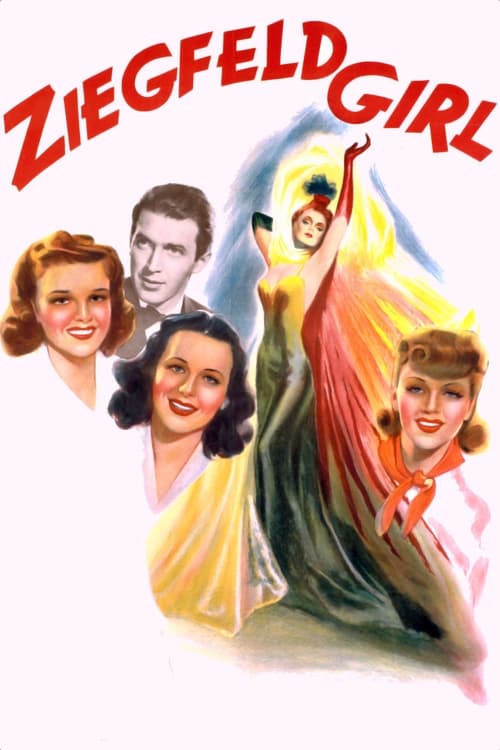
Ziegfeld Girl
as Mischa 1941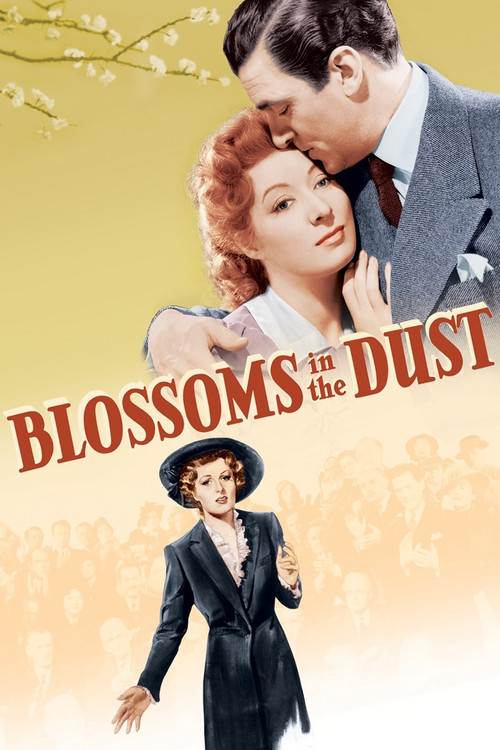
Blossoms in the Dust
as Dr. Max Breslar 1941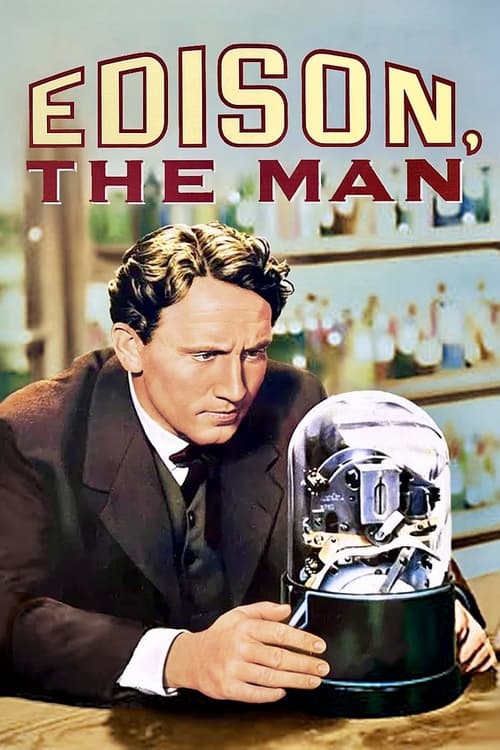
Edison, the Man
as Michael Simon 1940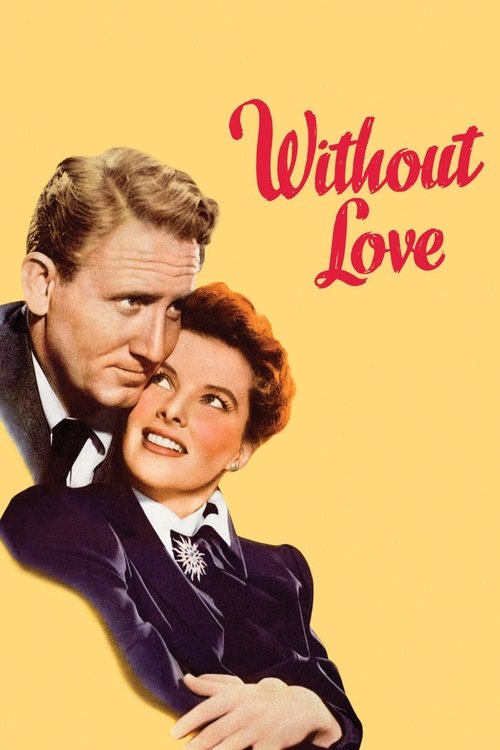
Without Love
as Prof. Ginza 1945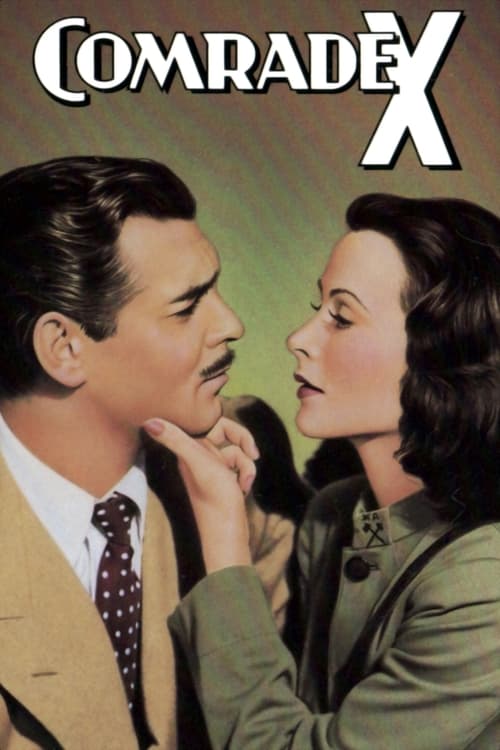
Comrade X
as Igor Yahupitz / Vanya 1940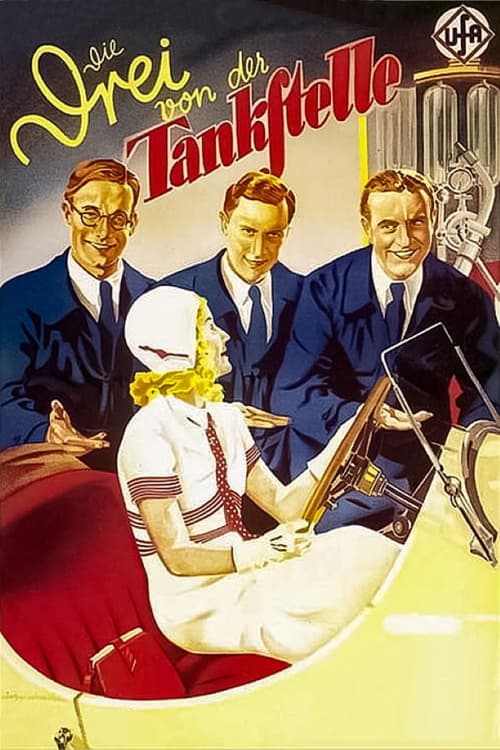
The Three from the Filling Station
as Gerichtsvollzieher 1930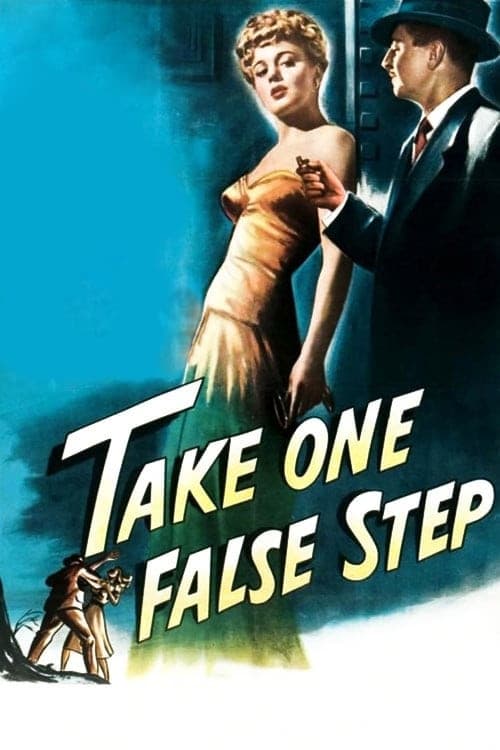
Take One False Step
as Professor Morris Avrum 1949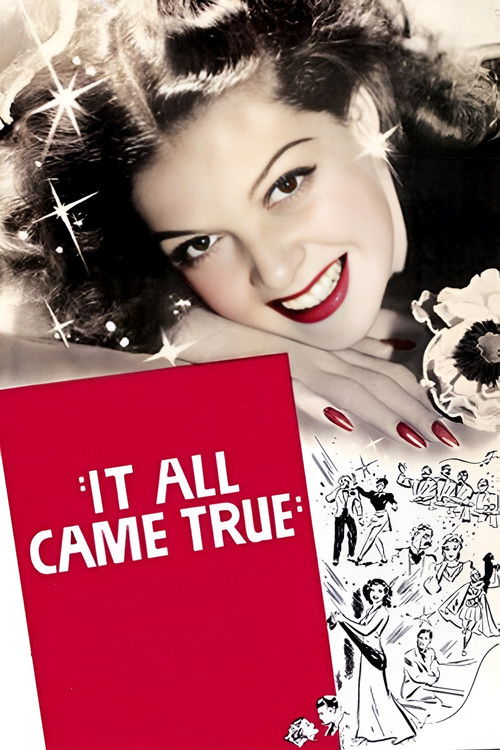
It All Came True
as The Great Boldini 1940